Men's rings: which finger, which width, and what it signals
The ring itself is the easy part. Which finger you put it on is doing more talking than the ring is.
Zayr Studio··3 min read
Updated
Rings are the most-worn men's jewellery in Pakistan and always have been — a silver band with a stone is a thing plenty of men here have owned since their twenties, long before chains and bracelets became common. But it is also the piece with the most unwritten rules, and getting one wrong is more visible than getting a chain wrong.
The styles
Style
What it is
Reads as
Plain band
Flat or domed, no detail
Quiet, formal, safe anywhere
Signet
Flat face, often engraved or plain
Traditional, deliberate. The classic men's ring
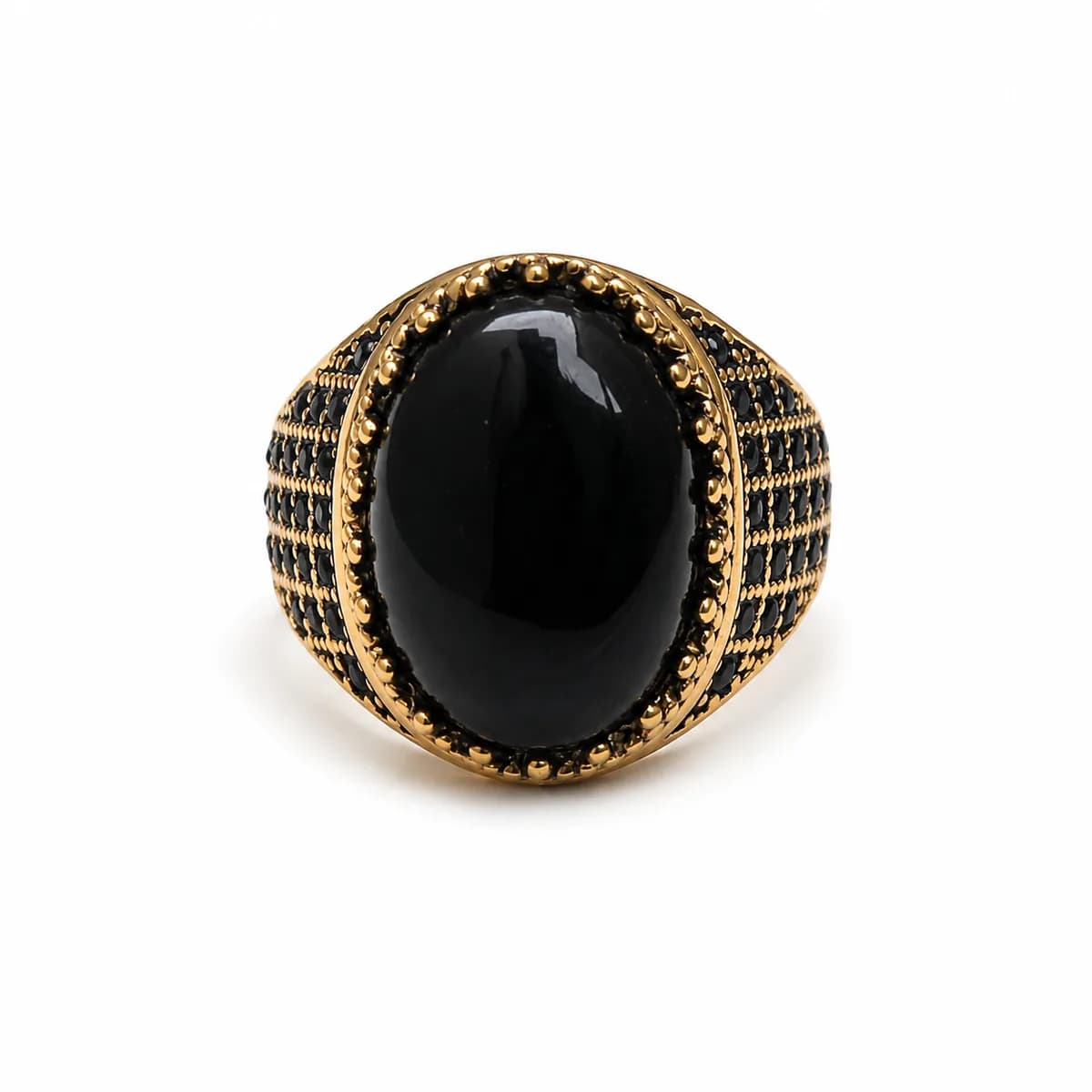
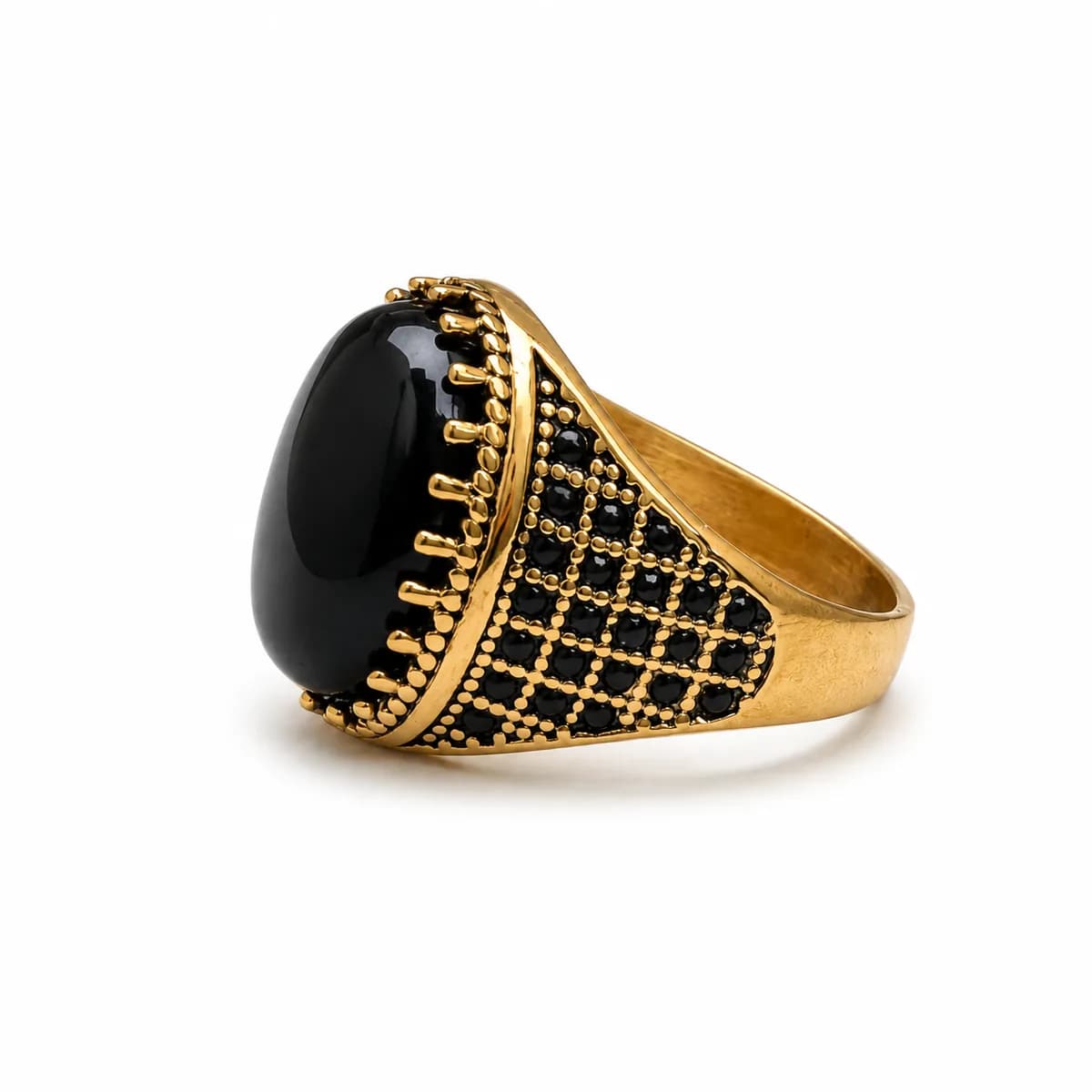
Stone ring
A single set stone, often silver
The familiar aqeeq or firoza shape here
Textured / hammered
Worked surface
Contemporary, casual
Statement
Wide, carved, or heavily detailed
A choice you are making loudly
Stacking bands
Two or three thin rings together
Newer here, reads as fashion-aware
For a first ring, a plain band at 5–6 mm or a signet. Both go with everything, neither dates, and neither requires anyone to have an opinion about it.
Common questions
Which finger should a man wear a ring on?
The little finger and the middle finger are the two conventional places for a ring worn purely as jewellery. The left ring finger reads as married in Pakistan and most of the world, the index finger reads as bold, and the thumb reads as casual and confident but needs a wider band.
Does a wider ring need a bigger size?
Yes. A 7–8 mm band fits about a quarter to a half size tighter than a 3 mm band on the same finger, and 9 mm and above needs a half to a full size more. Comfort-fit bands, which are domed inside, are the exception and run slightly large.
Can men wear gold rings in Pakistan?
Many men choose not to, since gold is widely held to be impermissible for men in Islam, which is why silver has long been the traditional men's metal in this region. Stainless steel and silver avoid the question. For a ruling, ask someone qualified rather than a jewellery seller.
What is the best first ring for a man?
A plain band at 5–6 mm, or a signet, in 316L stainless steel or silver. Both suit any outfit, neither dates, and both are comfortable enough that you stop noticing them within a week — which is the real test of a ring you will keep wearing.
Ready when you are
Bank or wallet payment nationwide, exchanges on sizing.
Men's rings: which finger, which width, and what it signals
The ring itself is the easy part. Which finger you put it on is doing more talking than the ring is.
Zayr Studio··3 min read
Updated
Rings are the most-worn men's jewellery in Pakistan and always have been — a silver band with a stone is a thing plenty of men here have owned since their twenties, long before chains and bracelets became common. But it is also the piece with the most unwritten rules, and getting one wrong is more visible than getting a chain wrong.
The styles
Style
What it is
Reads as
Plain band
Flat or domed, no detail
Quiet, formal, safe anywhere
Signet
Flat face, often engraved or plain
Traditional, deliberate. The classic men's ring
Stone ring
A single set stone, often silver
The familiar aqeeq or firoza shape here
Textured / hammered
Worked surface
Contemporary, casual
Statement
Wide, carved, or heavily detailed
A choice you are making loudly
Stacking bands
Two or three thin rings together
Newer here, reads as fashion-aware
For a first ring, a plain band at 5–6 mm or a signet. Both go with everything, neither dates, and neither requires anyone to have an opinion about it.
Common questions
Which finger should a man wear a ring on?
The little finger and the middle finger are the two conventional places for a ring worn purely as jewellery. The left ring finger reads as married in Pakistan and most of the world, the index finger reads as bold, and the thumb reads as casual and confident but needs a wider band.
Does a wider ring need a bigger size?
Yes. A 7–8 mm band fits about a quarter to a half size tighter than a 3 mm band on the same finger, and 9 mm and above needs a half to a full size more. Comfort-fit bands, which are domed inside, are the exception and run slightly large.
Can men wear gold rings in Pakistan?
Many men choose not to, since gold is widely held to be impermissible for men in Islam, which is why silver has long been the traditional men's metal in this region. Stainless steel and silver avoid the question. For a ruling, ask someone qualified rather than a jewellery seller.
What is the best first ring for a man?
A plain band at 5–6 mm, or a signet, in 316L stainless steel or silver. Both suit any outfit, neither dates, and both are comfortable enough that you stop noticing them within a week — which is the real test of a ring you will keep wearing.
Ready when you are
Bank or wallet payment nationwide, exchanges on sizing.
There is no rule anyone can enforce, but conventions exist and people read them, so it is worth knowing what you are saying.
Little finger — the traditional home of the signet, and the most common place to wear a ring purely as jewellery. Low commitment, reads as stylistic rather than symbolic.
Ring finger — married, in most of the world including here. Wearing one on the left ring finger while single is a conversation you will have repeatedly.
Middle finger — neutral ground and physically the most comfortable for a wide band. A good default for a statement piece.
Index finger — historically authority and status. Bold, and it puts the ring right in the eyeline during any gesture.
Thumb — reads as confident and casual. Needs a wider band, usually two to three sizes up from your ring finger.
Width, and why it changes your size
This is the part almost nobody is told. A wide band fits tighter than a thin one at the same measured size, because there is more metal in contact with the finger and less room for it to compress.
Band width
Size adjustment
Feel
2–4 mm
Your measured size
Barely noticeable
5–6 mm
Your measured size
The standard men's band
7–8 mm
Go up a quarter to a half size
Noticeable presence
9 mm+
Go up a half to a full size
You will feel it all day
Also: comfort-fit bands, which are domed on the inside rather than flat, run slightly large. If a listing says comfort fit, order your exact measured size rather than rounding up. Whatever the width, start from a measured size rather than a guessed one.
Getting the size right in this climate
Fingers in Pakistan swell more across a day than the standard sizing advice assumes. A ring measured at 8am in December will be uncomfortably tight at 4pm in June. Measure in the evening, in warm weather, and if you are between sizes take the larger.
One more: if the ring will be worn during wudu five times a day, water sitting under a flat band is a genuine irritation. A comfort-fit interior lets water clear and does not trap it.
What to avoid on a first ring
1Anything with a glued stone. It will come out, and the setting is the whole piece.
2Plated brass, if you wash your hands often. It goes patchy at the inside of the band first, where you cannot polish it.
3Very wide statement rings on an index finger for a first ring. Start narrow and move up if you find you like wearing rings.
4Buying two sizes at once “to see which fits”. Exchanges exist and are simpler than you think.
5Anything with sharp inner edges. Run a finger around the inside — it should be smooth. A rough edge is a badly finished ring and it will annoy you daily.
A ring you notice on your hand ten times a day is either the right one or the wrong size. There is not much in between.
There is no rule anyone can enforce, but conventions exist and people read them, so it is worth knowing what you are saying.
Little finger — the traditional home of the signet, and the most common place to wear a ring purely as jewellery. Low commitment, reads as stylistic rather than symbolic.
Ring finger — married, in most of the world including here. Wearing one on the left ring finger while single is a conversation you will have repeatedly.
Middle finger — neutral ground and physically the most comfortable for a wide band. A good default for a statement piece.
Index finger — historically authority and status. Bold, and it puts the ring right in the eyeline during any gesture.
Thumb — reads as confident and casual. Needs a wider band, usually two to three sizes up from your ring finger.
Width, and why it changes your size
This is the part almost nobody is told. A wide band fits tighter than a thin one at the same measured size, because there is more metal in contact with the finger and less room for it to compress.
Band width
Size adjustment
Feel
2–4 mm
Your measured size
Barely noticeable
5–6 mm
Your measured size
The standard men's band
7–8 mm
Go up a quarter to a half size
Noticeable presence
9 mm+
Go up a half to a full size
You will feel it all day
Also: comfort-fit bands, which are domed on the inside rather than flat, run slightly large. If a listing says comfort fit, order your exact measured size rather than rounding up. Whatever the width, start from a measured size rather than a guessed one.
Getting the size right in this climate
Fingers in Pakistan swell more across a day than the standard sizing advice assumes. A ring measured at 8am in December will be uncomfortably tight at 4pm in June. Measure in the evening, in warm weather, and if you are between sizes take the larger.
One more: if the ring will be worn during wudu five times a day, water sitting under a flat band is a genuine irritation. A comfort-fit interior lets water clear and does not trap it.
What to avoid on a first ring
1Anything with a glued stone. It will come out, and the setting is the whole piece.
2Plated brass, if you wash your hands often. It goes patchy at the inside of the band first, where you cannot polish it.
3Very wide statement rings on an index finger for a first ring. Start narrow and move up if you find you like wearing rings.
4Buying two sizes at once “to see which fits”. Exchanges exist and are simpler than you think.
5Anything with sharp inner edges. Run a finger around the inside — it should be smooth. A rough edge is a badly finished ring and it will annoy you daily.
A ring you notice on your hand ten times a day is either the right one or the wrong size. There is not much in between.