Buying guide
Halo, signet, stacking: a plain guide to women's ring styles
The style names sound like a jeweller's private language. They are actually just descriptions of how the stone is held.
Zayr Studio4 min read
Updated
Ring terminology sounds like it was designed to make you feel underinformed. It was not — every name here is just a description of how the metal holds the stone, or how the band is shaped. Once you know the six or seven that matter, every product page in the country becomes readable.
The styles, in plain language
Solitaire
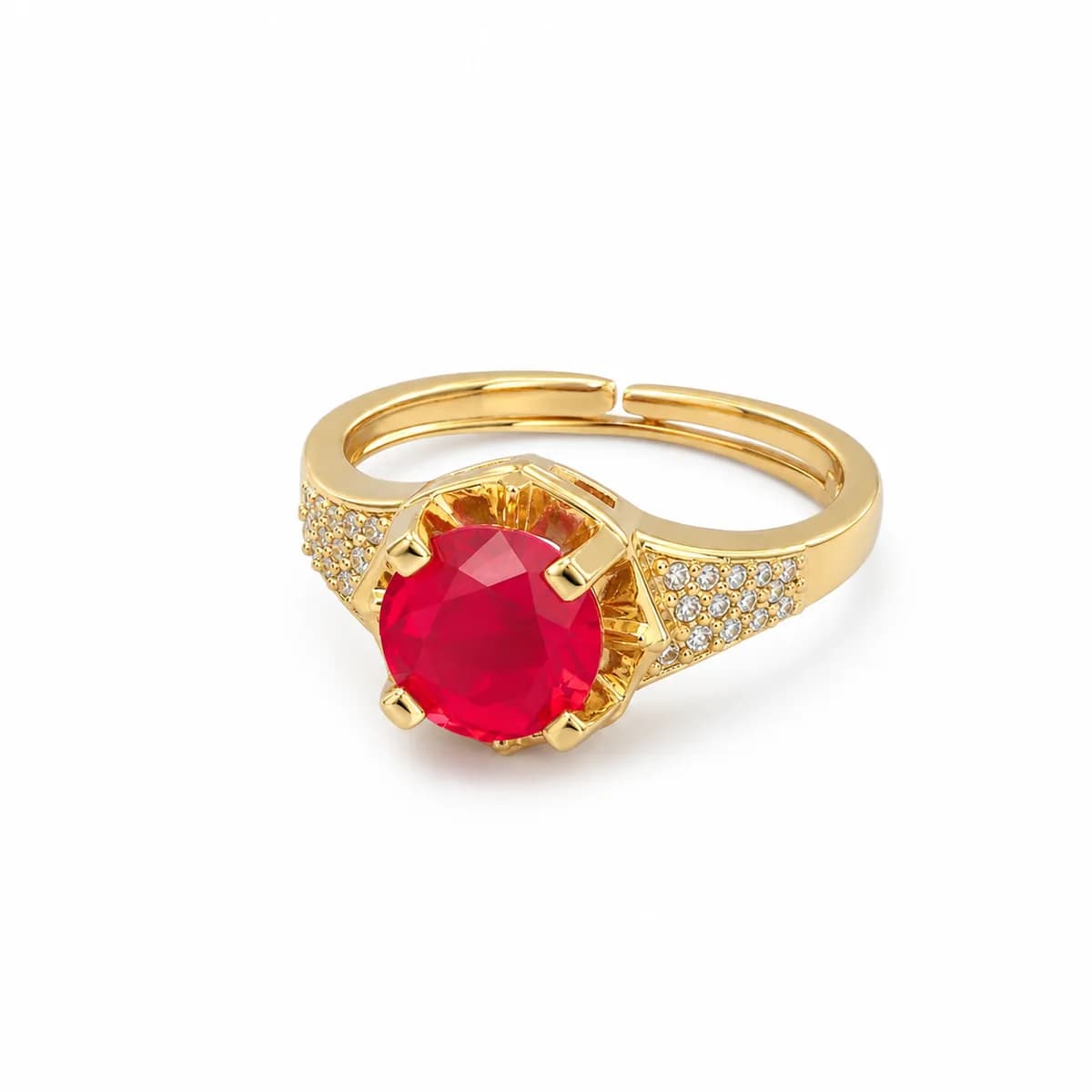
One stone, held by prongs, nothing else competing with it. The most classic shape there is, and the most forgiving to wear because there is nothing to date. The trade-off is that a solitaire's prongs sit proud of the band and catch on fabric — jumpers, dupattas, handbag linings — which is worth knowing before you buy one as an everyday ring.
Halo
A centre stone ringed by a circle of much smaller ones. The small stones make the centre read considerably larger than it is, which is genuinely why the style exists and there is nothing wrong with that. Halos photograph brilliantly and they are the most-ordered engagement-adjacent style here by a distance.
Practical note: more stones means more settings, and settings are what fail. A halo needs its stones checked every few months by pressing gently with a fingernail.
Signet
A flat face, plain or engraved, no stone. Traditionally a men's shape, now worn widely by women and one of the most durable rings you can own — there is nothing to catch, nothing to loosen, and it takes daily wear indefinitely. If you want one ring you never think about, this is it.
Eternity and half-eternity
Stones set continuously around the whole band, or across the top half only. Half-eternity is the more practical version by a long way: full eternity rings cannot be resized, and the stones on the palm side take a beating from everything you hold.
Stacking bands
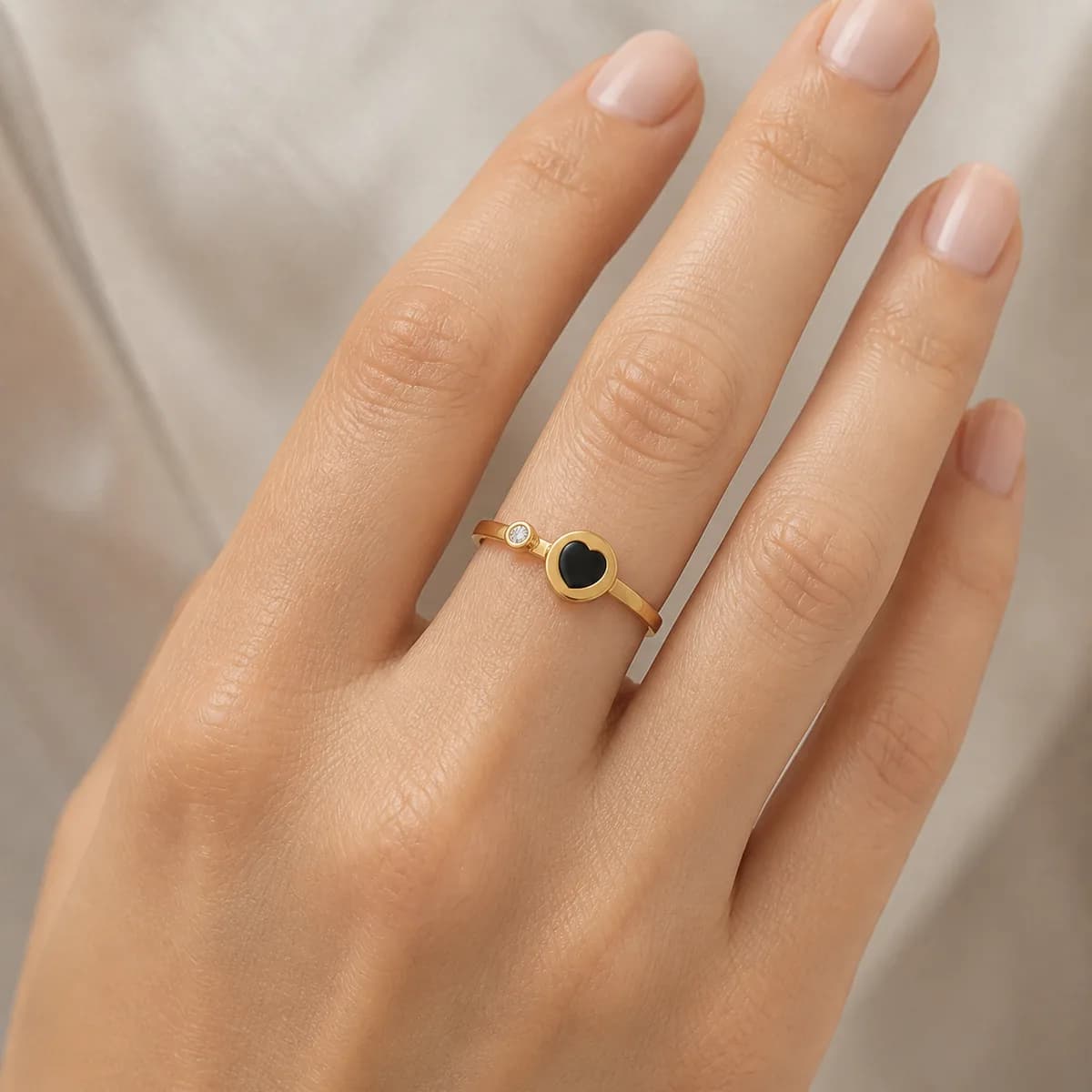
Thin rings, 1.5–2.5 mm, designed to be worn two or three at a time. The most flexible thing in this list — you can build the look up gradually, mix metals, and change it daily. Also the most forgiving on sizing, because a thin band that runs slightly loose is comfortable rather than annoying.
Cocktail and statement
A large centre stone or a heavily worked design, meant to be seen from across a room. Occasion pieces almost by definition. Buy the design you love rather than the one that seems versatile — versatility is not what this style is for.
Common questions
What is a halo ring?
A halo ring has a centre stone surrounded by a circle of much smaller stones. The small stones make the centre look considerably larger, which is the whole point of the design. It photographs well but needs its settings checked every few months, since more stones means more places to loosen.
Which ring setting is best for everyday wear?
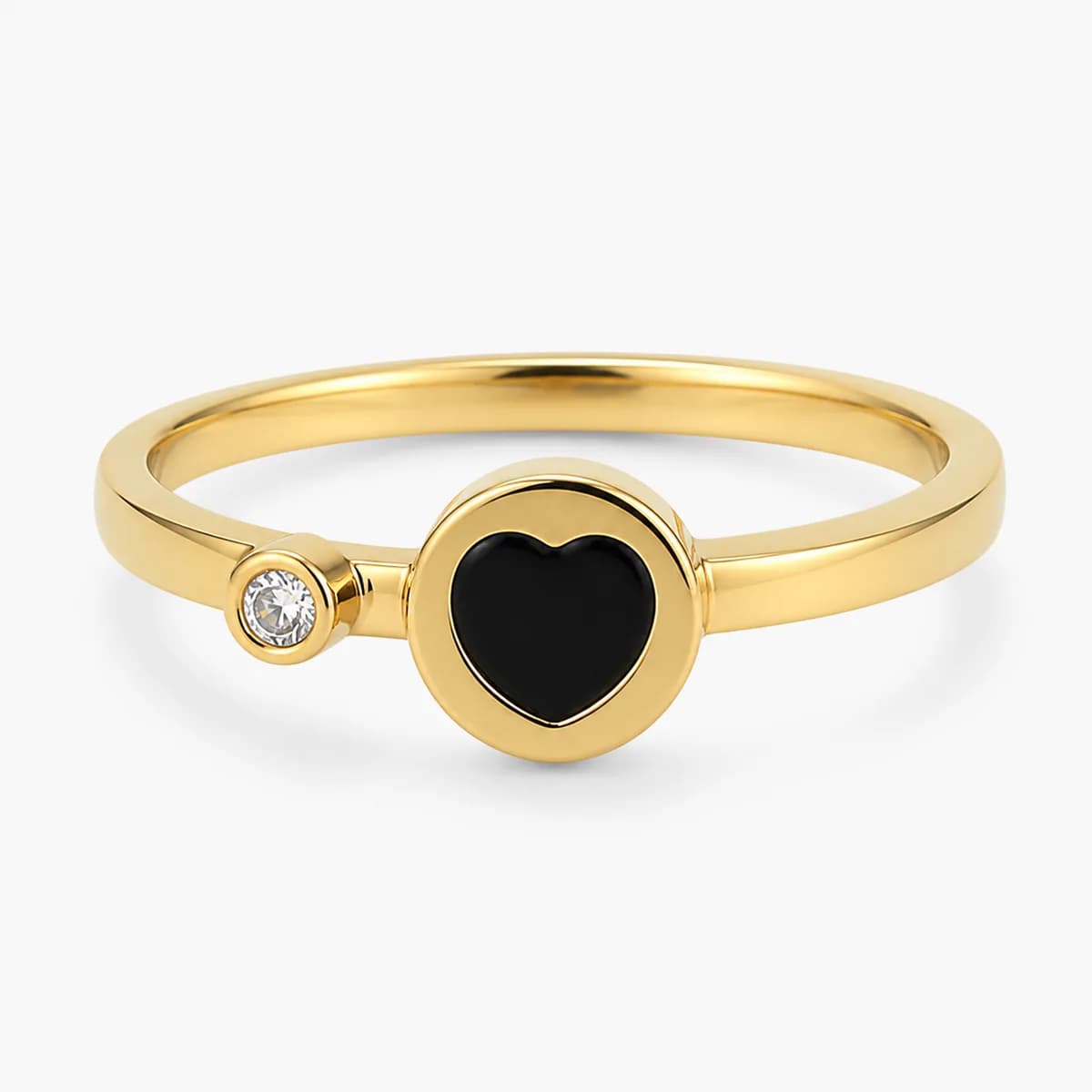
A bezel setting, where a rim of metal wraps the stone completely. It cannot catch on fabric and it protects the stone's edges. Channel settings are a close second. Prong settings are the most beautiful and the most likely to snag and eventually lose a stone.
How many rings can I stack on one finger?
Three is the practical ceiling. Beyond that they push each other apart and stop sitting flat against the finger. Vary the widths and textures rather than stacking identical bands, and consider splitting across two fingers instead of building one tall pile.
Can I mix gold and silver rings?
Yes — mixing metal tones has been standard for years and looks deliberate rather than careless. The one rule worth following is to repeat the second tone somewhere else, at the wrist or on the other hand, so it reads as a choice rather than as two rings that happened to be nearby.
Ready when you are
Bank or wallet payment nationwide, exchanges on sizing.