Choosing a pendant necklace: shapes, meanings and the right chain
A pendant is the part of a necklace that says something. Worth knowing what it says, and what chain can carry it.
Zayr Studio··4 min read
Updated
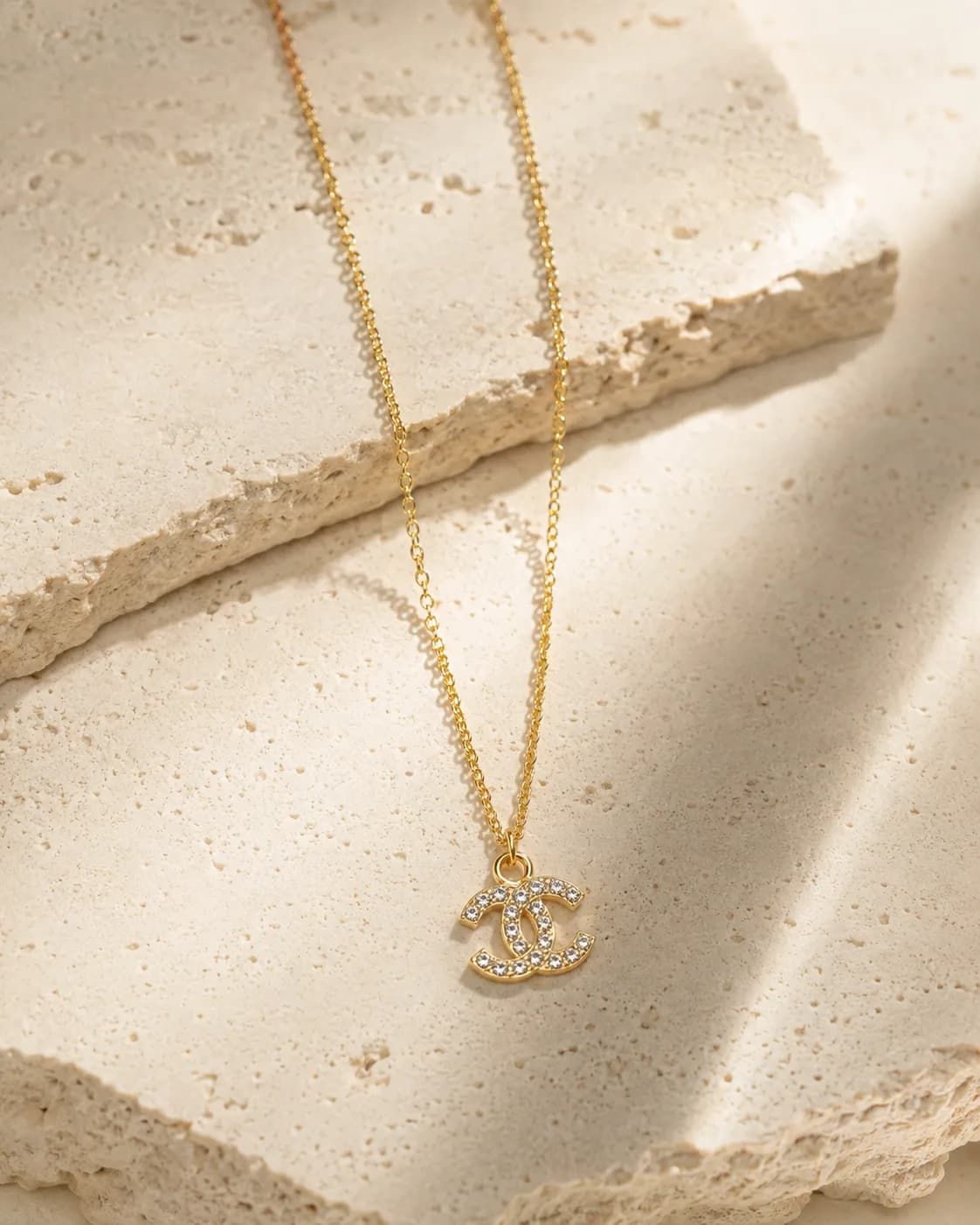
Choose a pendant by what you want it to say, then by size, then by chain. Initials and names are personal, hearts are affectionate, evil-eye motifs are traditionally about protection from envy, and plain shapes are simply decorative. For daily wear, keep it under about 2 cm; hang it on a chain at least as strong as the pendant is heavy, with a bail wide enough for the chain to move.
The pendant is the part people notice and comment on. The chain is the part that decides whether it hangs straight, stays centred and survives being worn. Both matter.
What the common pendant shapes mean
Pendant
Commonly read as
Good for
Watch for
Initial or letter
Personal identity, or a loved one’s name
Gifts, everyday wear
Whose initial — hers, a child’s or a spouse’s
Name pendant
Very personal; a keepsake
Birthdays, new mothers
Spelling in English or Urdu script
Heart
Love and affection
Anniversaries, a gift from family
Can read as romantic if gifted by a colleague
Evil eye (nazar)
Warding off envy, a cultural motif
Common questions
What does an evil-eye pendant mean?
The evil eye, or nazar, is a traditional motif associated with protection from envy. Many women wear it simply as a design. Scholars differ on wearing objects for protection, so if the religious side matters to you, ask a scholar you trust.
What size pendant is best for everyday wear?
Around 1–2 cm tall, including the bail, suits most people and necklines for daily wear. Under 1 cm is very subtle and good for office wear or layering. Larger pendants work best as a single focal point with plain necklines.
What chain should I use for a pendant?
Match the chain’s strength to the pendant’s weight. A small pendant suits a 1–1.2 mm cable chain, an everyday pendant a 1.2–1.8 mm box or curb chain, and a locket or heavier pendant a 2–3 mm chain. Box and curb chains keep pendants facing forward best.
Is an initial pendant a good gift?
Yes. Initial pendants are personal, need no sizing and suit most ages. Decide whose initial it should be, since some women prefer a child’s or spouse’s initial to their own, and choose a 45 cm chain or one with an extender if you are unsure of length.
Can I wear a pendant with Allah’s name or a verse every day?
Many women do, as a reminder of faith, and many remove it before entering a bathroom out of respect. Scholarly views on wearing such pendants differ, so it is best to ask a scholar you trust for guidance that fits your practice.
Ready when you are
Bank or wallet payment nationwide, exchanges on sizing.
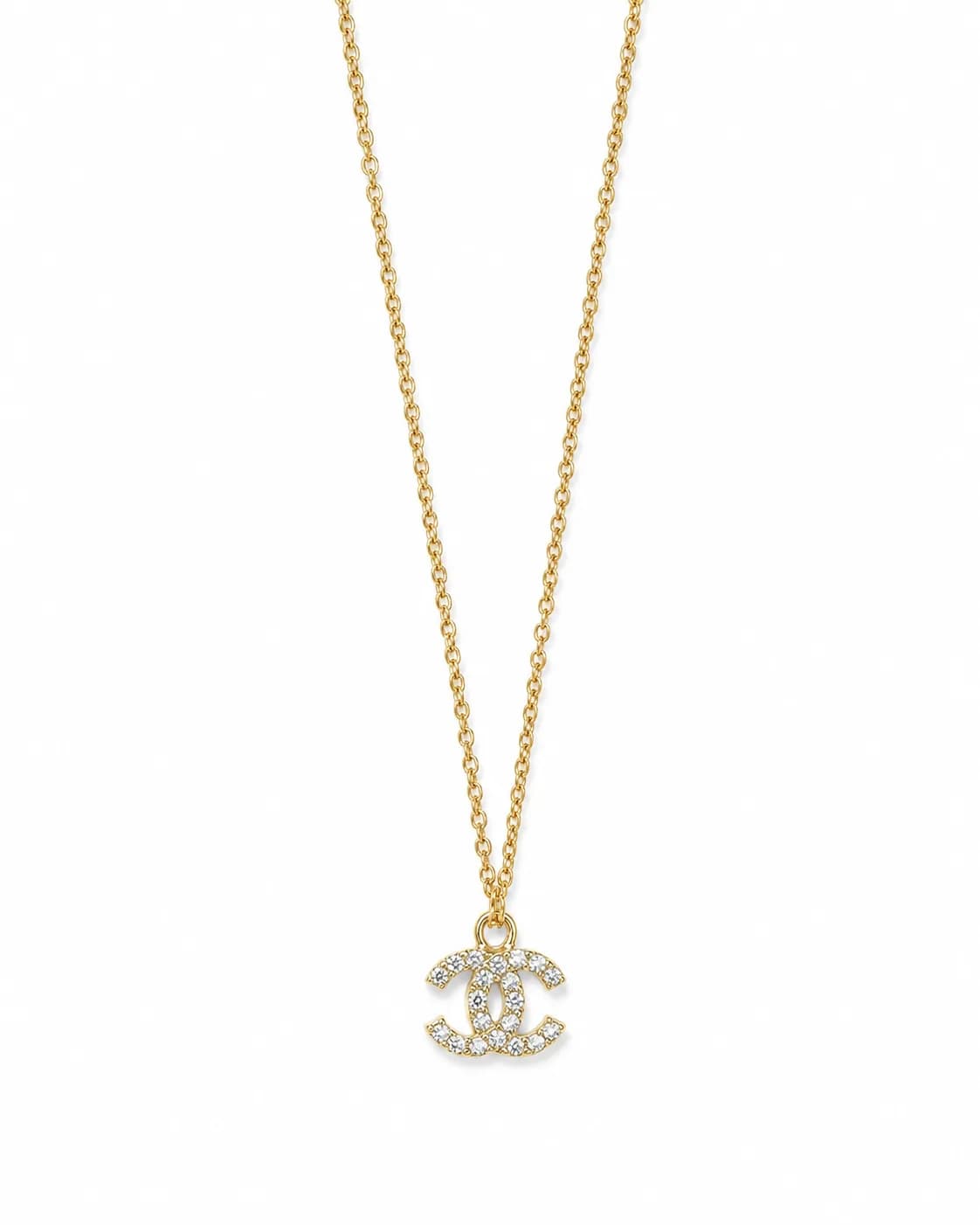
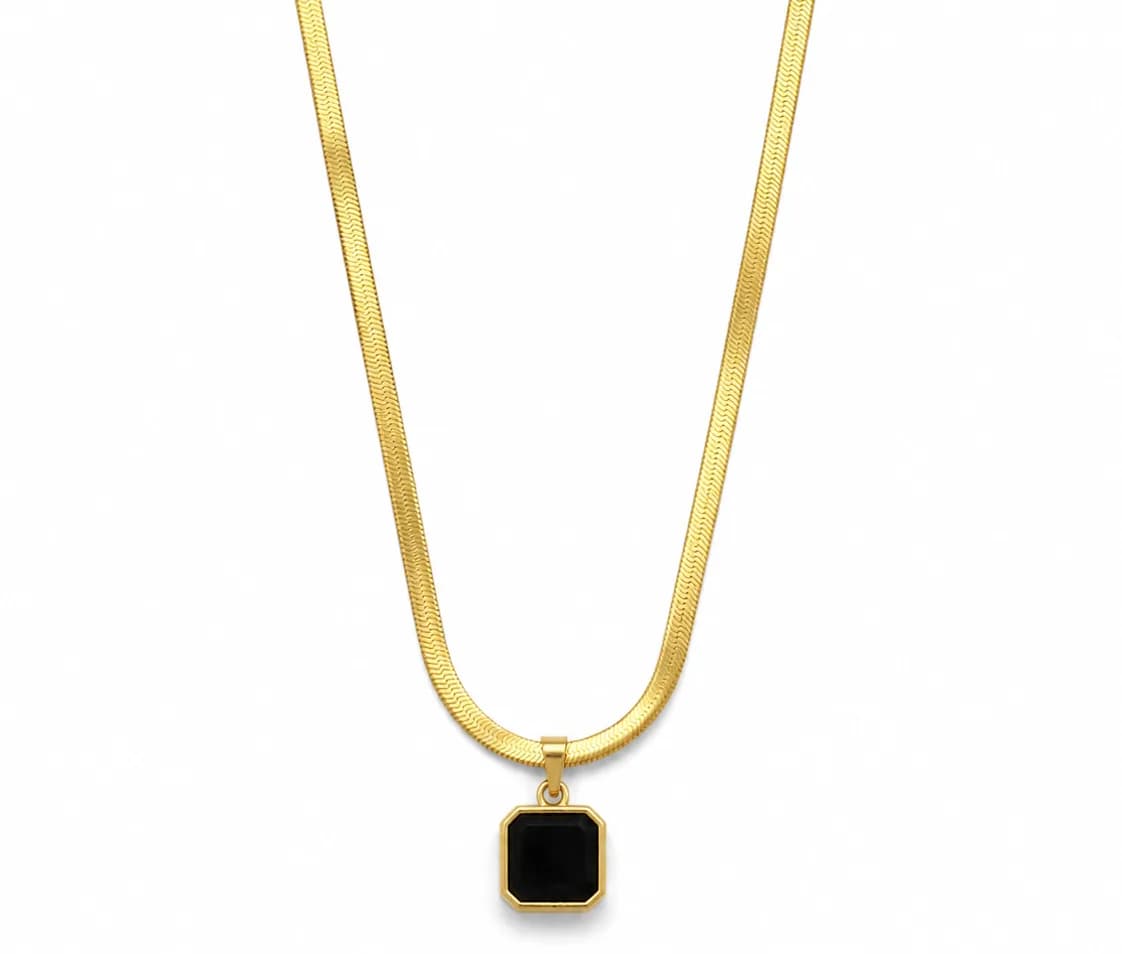
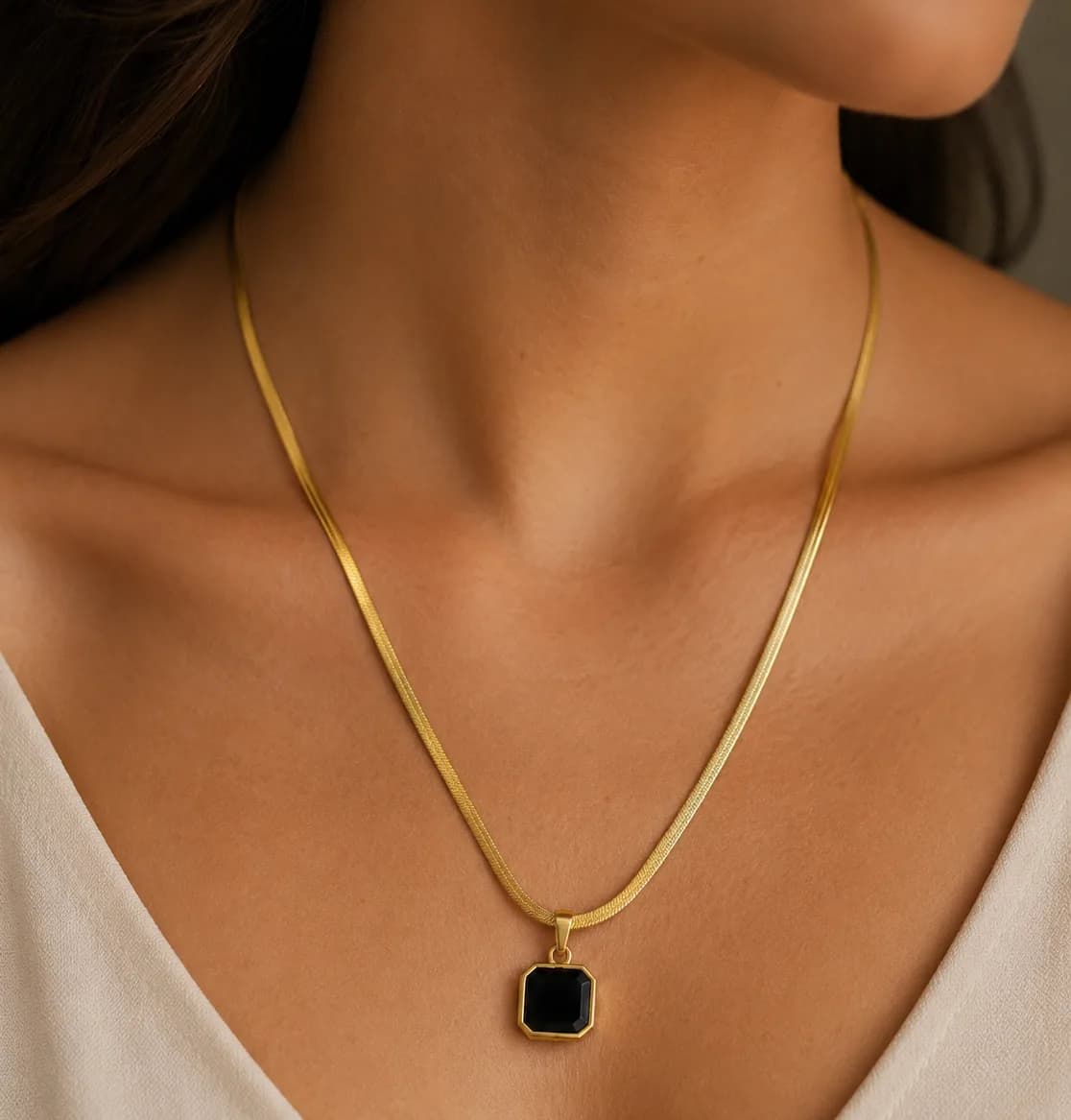
Pendant size is measured by height, usually including the bail, the small loop the chain goes through. Photographs make most pendants look larger than they are, so check the millimetres.
Under 1 cm: very subtle. Suits petite frames, office wear and layering.
1–2 cm: the everyday range. Visible, not heavy, suits most necklines.
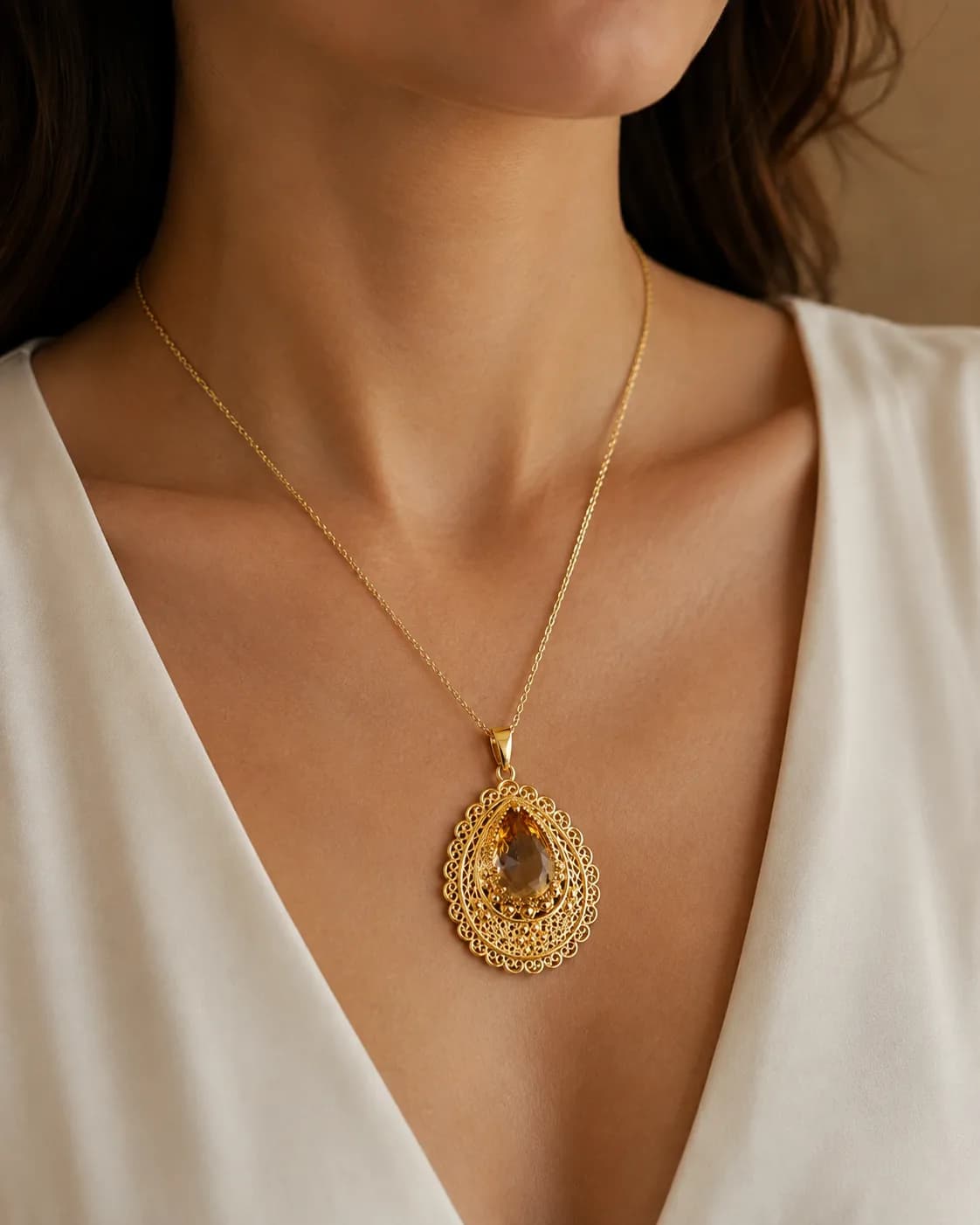
2–3.5 cm: a noticeable focal point. Best with plain, open necklines and no other busy jewellery.
Over 3.5 cm: a statement. Keep for evenings, plain outfits, and a chain that can carry the weight.
A pendant also adds drop, so a 45 cm chain with a 2 cm pendant ends lower than a plain 45 cm chain. The necklace length guide explains how to adjust for that.
Matching the chain to the pendant
Pendant
Chain style
Chain width
Why
Tiny initial or stone
Cable or fine curb
1–1.2 mm
Anything thicker overwhelms it
Everyday pendant, 1–2 cm
Cable, box or curb
1.2–1.8 mm
Strong enough, and keeps the pendant facing forward
Locket or larger pendant
Box, curb or rope
2–3 mm
Carries weight without stretching
Heavy statement pendant
Curb or rope
3 mm and up
Thin chains stretch and kink under the weight
1Check the bail. The chain, and ideally its clasp, should pass through it. A bail too tight for the clasp means the pendant can only go on one way.
2Choose a chain that stops the pendant flipping. Box and curb chains keep a pendant facing forward better than rope or very fine cable.
3Match metal tone to the pendant’s frame, not its stone.
4Avoid snake chains for anything but the lightest pendants. The weight stretches the links out of shape.
Stone pendants: being clear about what they are
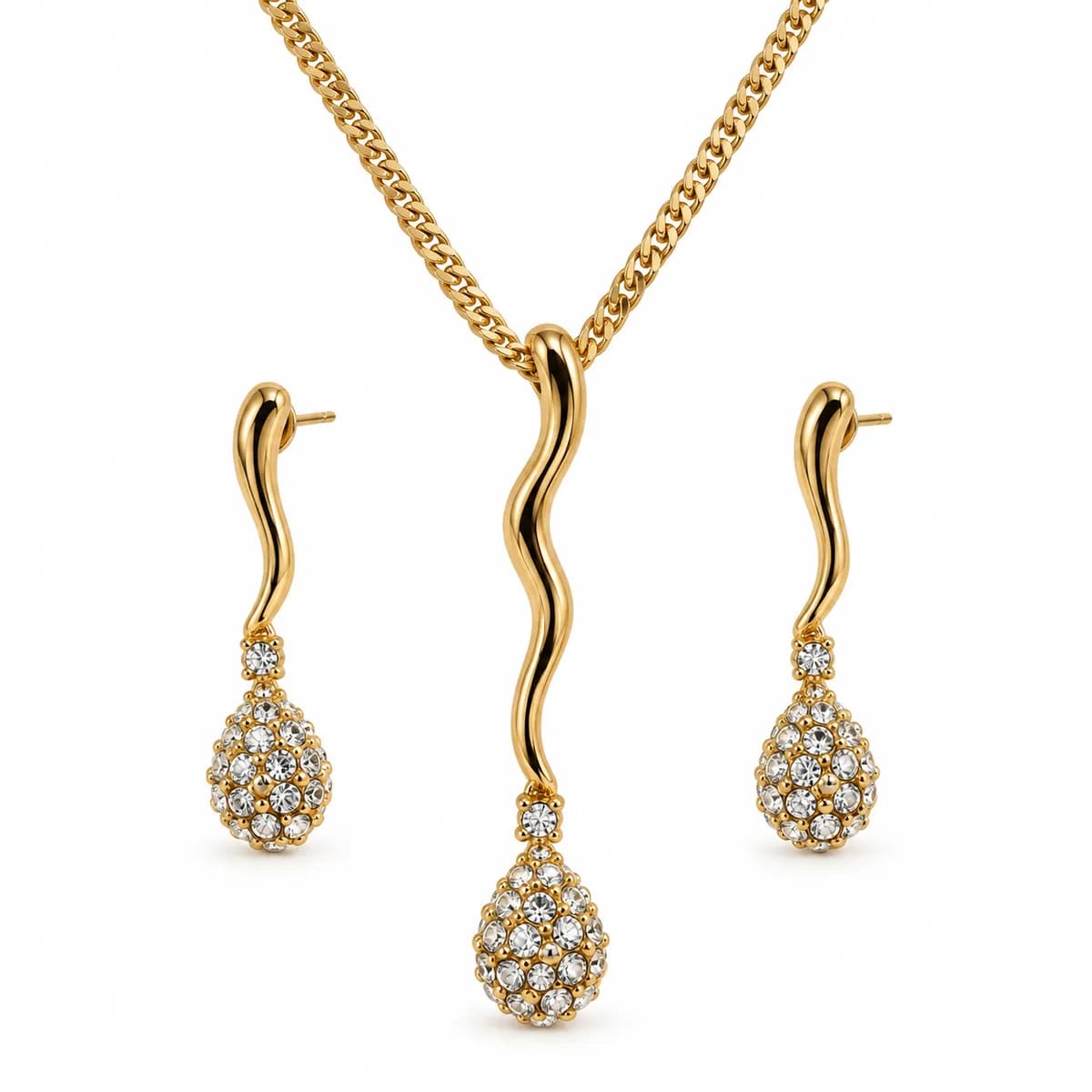
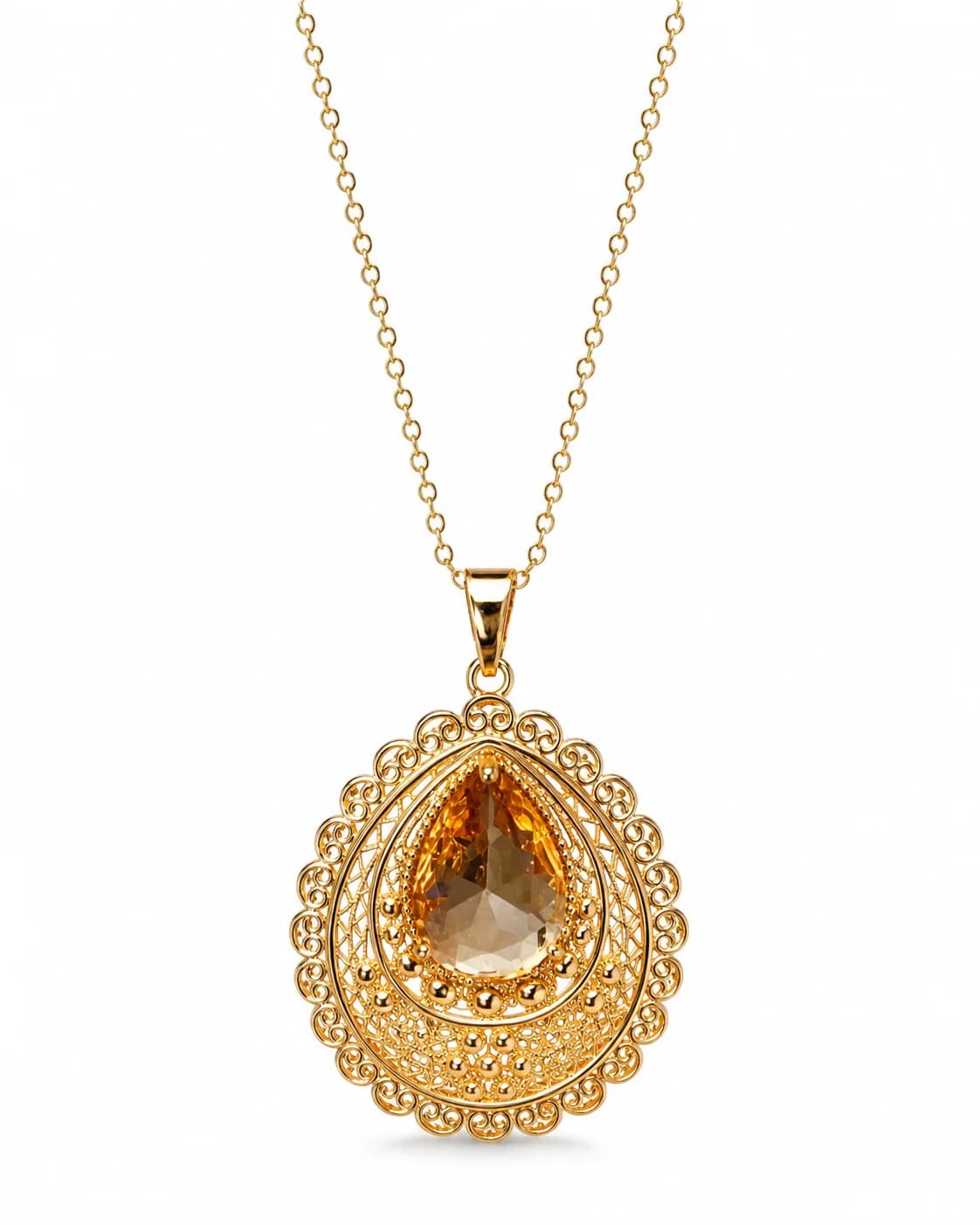
Many pendants in the fashion range are set with cubic zirconia, which looks bright and clear but is not diamond. That is not a flaw, provided it is described honestly. Zayr’s women’s rings, for example, are set with cubic zirconia and never described as diamonds. A “diamond” pendant at a fashion price should prompt a question, not a purchase.
Pendants as gifts
Pendant necklaces are among the easiest jewellery gifts because nobody needs a ring size. A few things make them better:
For a mother: a locket, a name pendant, or initials of her children.
For a sister or friend: an initial, a crescent moon for Eid, or a small evil-eye if you know she likes the motif.
For a wife: a heart or a solitaire, or an initial with meaning to both of you.
For a colleague: something neutral and geometric, and never a heart.
When unsure of length, choose 45 cm or a chain with an extender.
Caring for a pendant necklace
Pendants trap soap, lotion and perfume in the bail and behind stones, and that residue dulls them faster than anything else. Put the necklace on after perfume, wipe it after wearing, and remove it for wudu if it is plated. Store it with the clasp fastened so the pendant does not slide off, and check the jump ring connecting the bail every so often.
Checking a pendant when it arrives
Before the packaging goes in the bin, look closely at three things. The bail should be closed with no gap a chain could slip through. Any stones should sit level and not move when pressed with a fingernail. And the back of the pendant should be as smoothly finished as the front, because rough edges on the back are what scratch skin and catch on the inside of a kameez. If something is wrong, it is far easier to exchange an unworn piece in its original packaging than to explain a problem weeks later.
Pick the pendant for the meaning, the size for the neckline, and the chain for the weight. In that order.