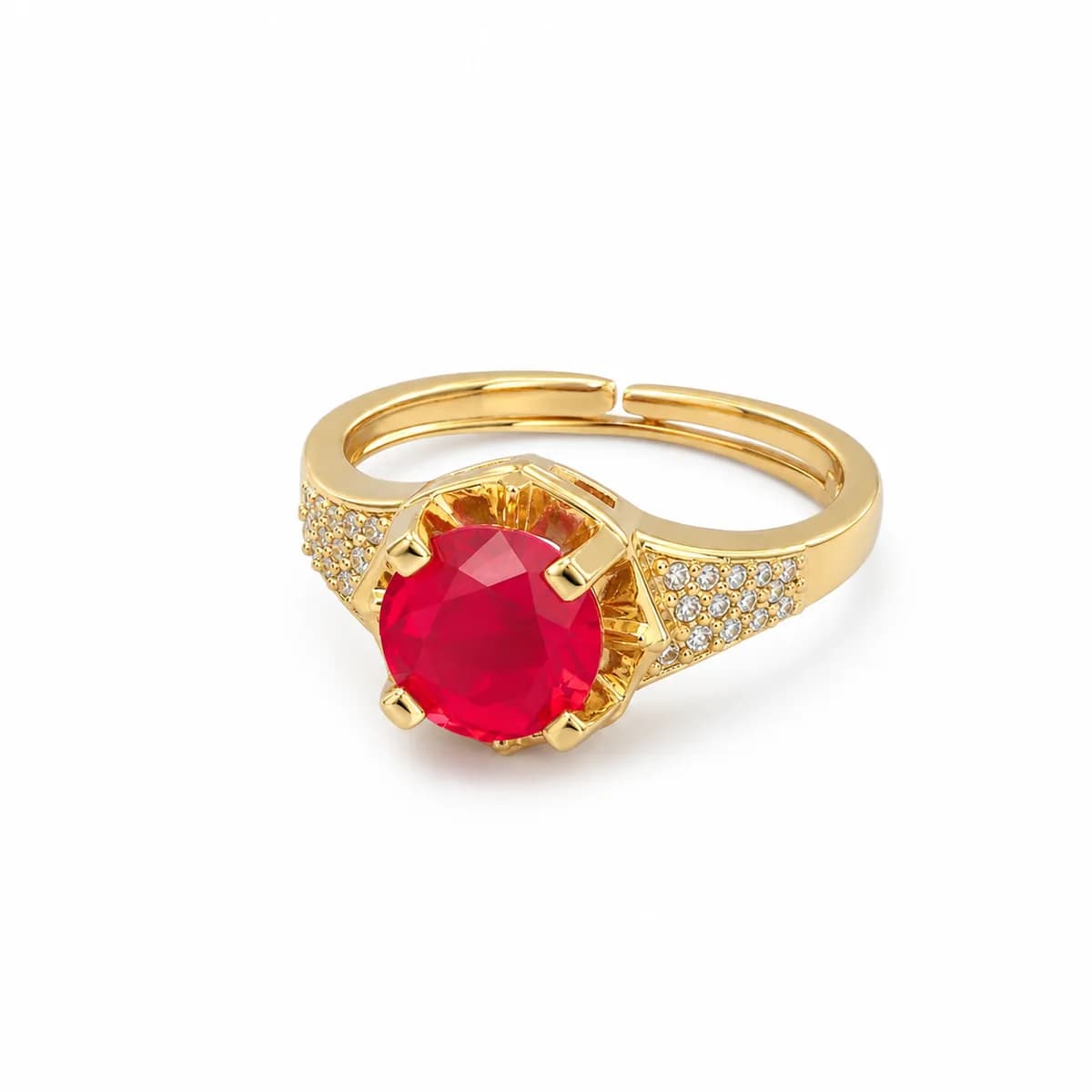
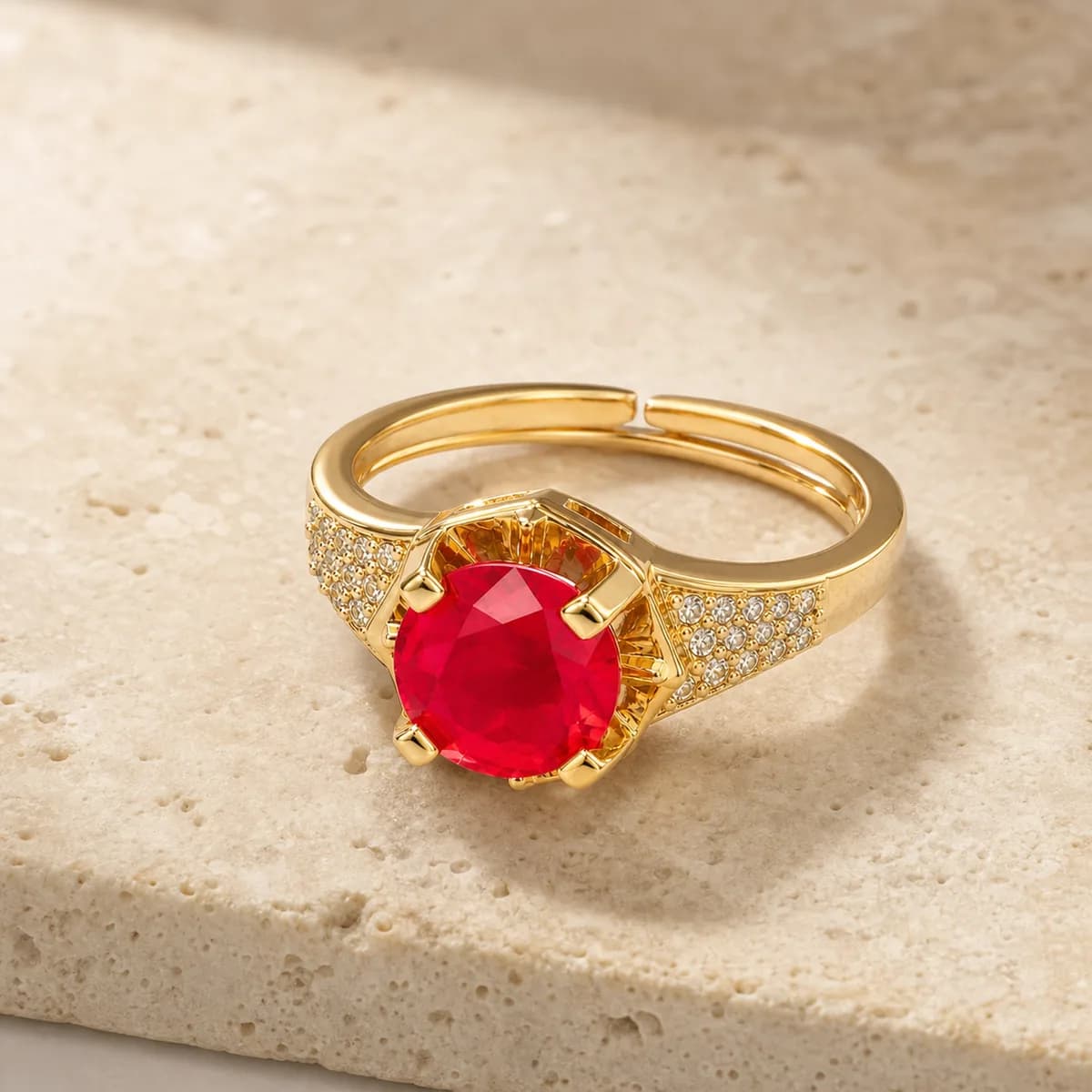
Four events, four outfits, and a bride whose evening you should not be competing with. Here is the sensible way through.
Zayr Studio··3 min read
Updated
Shaadi season means four functions for one wedding and often three weddings in a month. Buying jewellery for each is not realistic and is not how anyone actually does it — the trick is owning a small number of pieces that recombine, and knowing which function wants what.
What each function actually calls for
Function
Mood
Jewellery
Avoid
Mehndi
Colour, movement, informal
Bold and playful. Jhumkas, bangle stacks, anything that moves
Anything precious you would hate to lose in a dholki
Nikah
Restrained, respectful
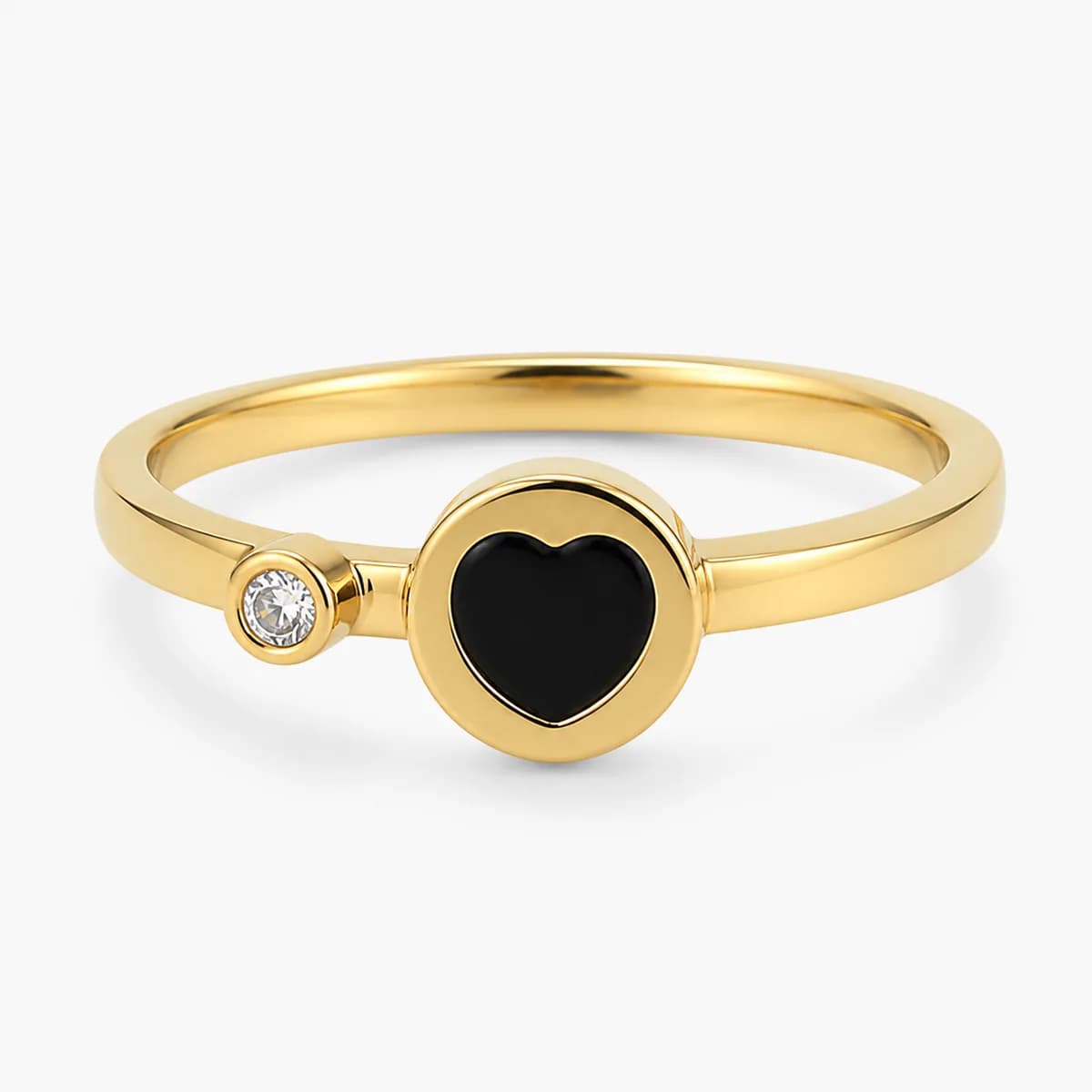
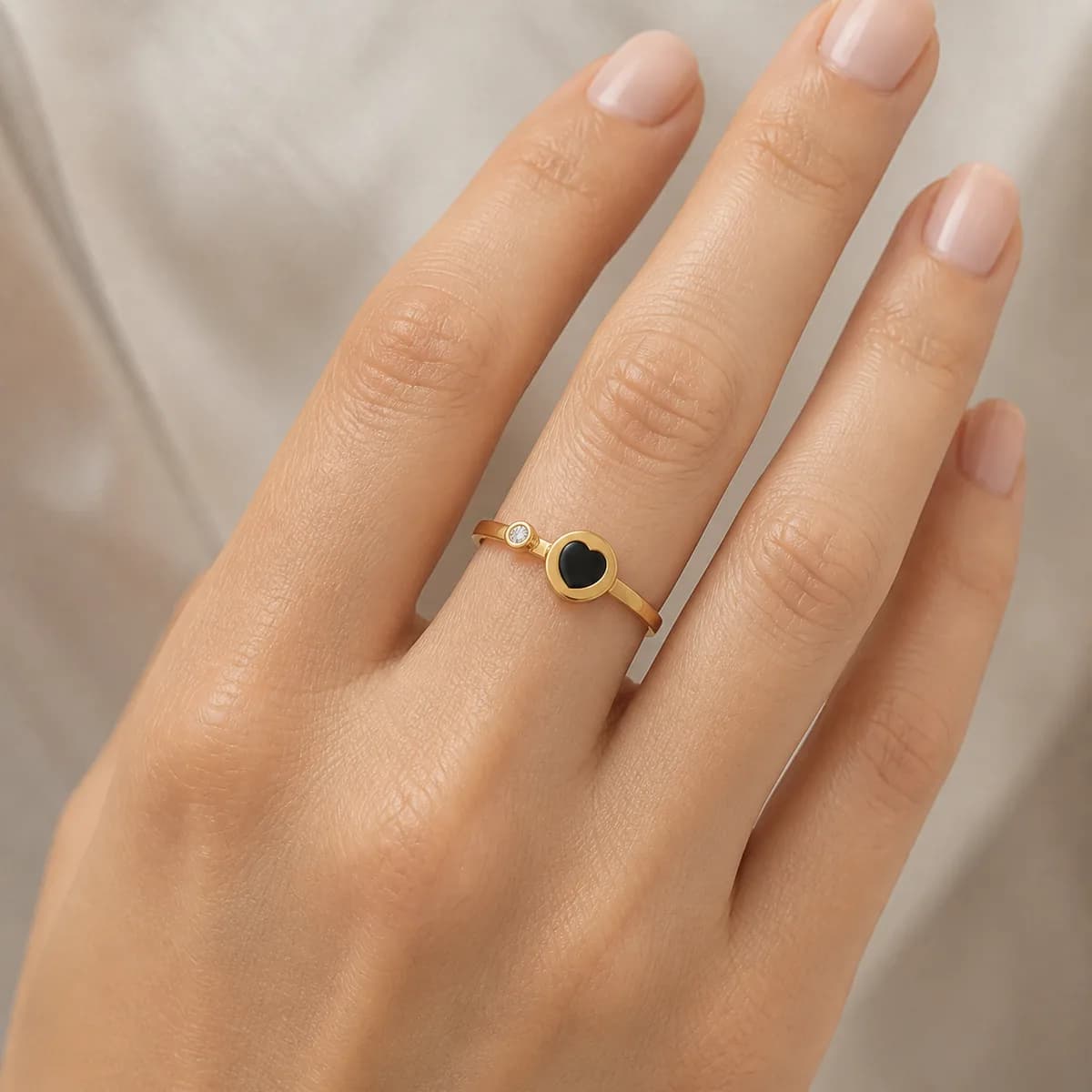
Understated. Studs, a fine chain, one ring
Statement pieces. The ceremony is the focus
Barat
Formal, photographed
Your best set. Matched tone, cohesive
Competing with the bride's palette
Walima
Polished, evening
Elegant over bold. One strong piece
Repeating the exact barat look in photographs
Dholki / smaller events
Common questions
What jewellery should I wear to a mehndi?
Bold, colourful and playful — jhumkas, bangle stacks, anything with movement. A mehndi is the least formal function and it rewards stacking. Leave anything genuinely precious at home, because it is also the event where things get lost.
What should a guest wear to a nikah?
Understated pieces: studs or small earrings, a fine chain and one ring. The nikah is the most solemn of the functions and restraint reads as respectful. Save the statement set for the barat or walima.
How do I choose jewellery for a heavily embroidered dress?
Match the metal in the embroidery rather than the fabric colour, pick one zone to be loud — ears, neck or hands, not two — and keep the metal plain where the work is dense. If the neckline is high and worked, skip a necklace entirely.
How far in advance should I order jewellery for a wedding?
At least ten days before the first function. That leaves room for a size exchange, which a three-day lead time does not. Buy for the whole season at once rather than a few days before each event — last-minute wedding buying is where most regretted purchases happen.
Ready when you are
Bank or wallet payment nationwide, exchanges on sizing.
Four events, four outfits, and a bride whose evening you should not be competing with. Here is the sensible way through.
Zayr Studio··3 min read
Updated
Shaadi season means four functions for one wedding and often three weddings in a month. Buying jewellery for each is not realistic and is not how anyone actually does it — the trick is owning a small number of pieces that recombine, and knowing which function wants what.
What each function actually calls for
Function
Mood
Jewellery
Avoid
Mehndi
Colour, movement, informal
Bold and playful. Jhumkas, bangle stacks, anything that moves
Anything precious you would hate to lose in a dholki
Nikah
Restrained, respectful
Understated. Studs, a fine chain, one ring
Statement pieces. The ceremony is the focus
Barat
Formal, photographed
Your best set. Matched tone, cohesive
Competing with the bride's palette
Walima
Polished, evening
Elegant over bold. One strong piece
Repeating the exact barat look in photographs
Dholki / smaller events
Common questions
What jewellery should I wear to a mehndi?
Bold, colourful and playful — jhumkas, bangle stacks, anything with movement. A mehndi is the least formal function and it rewards stacking. Leave anything genuinely precious at home, because it is also the event where things get lost.
What should a guest wear to a nikah?
Understated pieces: studs or small earrings, a fine chain and one ring. The nikah is the most solemn of the functions and restraint reads as respectful. Save the statement set for the barat or walima.
How do I choose jewellery for a heavily embroidered dress?
Match the metal in the embroidery rather than the fabric colour, pick one zone to be loud — ears, neck or hands, not two — and keep the metal plain where the work is dense. If the neckline is high and worked, skip a necklace entirely.
How far in advance should I order jewellery for a wedding?
At least ten days before the first function. That leaves room for a size exchange, which a three-day lead time does not. Buy for the whole season at once rather than a few days before each event — last-minute wedding buying is where most regretted purchases happen.
Ready when you are
Bank or wallet payment nationwide, exchanges on sizing.
The consistent thread: the more formal the function, the fewer and better the pieces. A mehndi rewards stacking and colour; a nikah rewards restraint. What the groom wears follows the same curve, only shorter.
Working with a heavy outfit
Most shaadi outfits here carry substantial embroidery, and that changes the brief entirely. The dress is already the statement, and jewellery's job is to complete it rather than to add another argument.
1Look at the neckline first. A high, worked neckline means no necklace — earrings and hands only. This is the most common mistake at these events.
2Match the metal in the embroidery, not the fabric colour. Silver tilla wants silver jewellery even on a colour that would suit gold.
3Pick one zone to be loud. Ears, or neck, or hands. Not two, and certainly not three.
4The heavier the work, the simpler the metal. Plain gold or silver against dense embroidery; save the stone-set pieces for plain fabric.
5Check it in a full-length mirror at a distance, not up close. Everything looks proportionate at arm's length and half of it does not from across a hall.
Three pieces that carry a whole season
If you buy nothing else, these three cover every function in a season and recombine differently each time:
A pair of statement earrings in your dominant metal tone. Earrings change an outfit more than any other piece, and they are the one thing that works with every neckline including the ones that rule out a necklace.
A stack of three thin rings. Worn together for a mehndi, split across two hands for a walima, one alone for a nikah.
One fine chain, 40–45 cm. Fills a plain neckline, disappears under a worked one, and layers with anything you borrow.
Total cost of that set, in steel and silver tones, sits comfortably under Rs. 8,000 and it will do four seasons.
The practical problems of a long night
Heavy jhumkas over five hours genuinely hurt. If they are heavy, use ear supports — small clear discs behind the lobe that spread the weight. They cost nothing and they are the difference between keeping them on and taking them off at 11pm.
Check every clasp before you leave. Weddings are where jewellery gets lost, and a loose clasp on a crowded dance floor is a piece you will not see again.
Rings and mehndi paste do not mix. Put rings on after the henna is fully dry, or the stain sits unevenly under the band.
Take one small pouch. You will take something off at some point in the evening and a handbag pocket is where earrings go missing.
Attar and perfume before jewellery, always. Oil-based attar in particular sits on plating and dulls it.
Buying for a season, in order
Wedding invitations arrive with weeks of notice, which is more lead time than most gifting. Use it: order at least ten days before the first function so there is room to exchange something, and buy for the whole season at once rather than three days before each event. The panic-buy the night before a barat is where most regrettable jewellery purchases in this country happen.
At a wedding you are one of three hundred people in good clothes. The ones who look best are wearing three pieces, not seven.
The consistent thread: the more formal the function, the fewer and better the pieces. A mehndi rewards stacking and colour; a nikah rewards restraint. What the groom wears follows the same curve, only shorter.
Working with a heavy outfit
Most shaadi outfits here carry substantial embroidery, and that changes the brief entirely. The dress is already the statement, and jewellery's job is to complete it rather than to add another argument.
1Look at the neckline first. A high, worked neckline means no necklace — earrings and hands only. This is the most common mistake at these events.
2Match the metal in the embroidery, not the fabric colour. Silver tilla wants silver jewellery even on a colour that would suit gold.
3Pick one zone to be loud. Ears, or neck, or hands. Not two, and certainly not three.
4The heavier the work, the simpler the metal. Plain gold or silver against dense embroidery; save the stone-set pieces for plain fabric.
5Check it in a full-length mirror at a distance, not up close. Everything looks proportionate at arm's length and half of it does not from across a hall.
Three pieces that carry a whole season
If you buy nothing else, these three cover every function in a season and recombine differently each time:
A pair of statement earrings in your dominant metal tone. Earrings change an outfit more than any other piece, and they are the one thing that works with every neckline including the ones that rule out a necklace.
A stack of three thin rings. Worn together for a mehndi, split across two hands for a walima, one alone for a nikah.
One fine chain, 40–45 cm. Fills a plain neckline, disappears under a worked one, and layers with anything you borrow.
Total cost of that set, in steel and silver tones, sits comfortably under Rs. 8,000 and it will do four seasons.
The practical problems of a long night
Heavy jhumkas over five hours genuinely hurt. If they are heavy, use ear supports — small clear discs behind the lobe that spread the weight. They cost nothing and they are the difference between keeping them on and taking them off at 11pm.
Check every clasp before you leave. Weddings are where jewellery gets lost, and a loose clasp on a crowded dance floor is a piece you will not see again.
Rings and mehndi paste do not mix. Put rings on after the henna is fully dry, or the stain sits unevenly under the band.
Take one small pouch. You will take something off at some point in the evening and a handbag pocket is where earrings go missing.
Attar and perfume before jewellery, always. Oil-based attar in particular sits on plating and dulls it.
Buying for a season, in order
Wedding invitations arrive with weeks of notice, which is more lead time than most gifting. Use it: order at least ten days before the first function so there is room to exchange something, and buy for the whole season at once rather than three days before each event. The panic-buy the night before a barat is where most regrettable jewellery purchases in this country happen.
At a wedding you are one of three hundred people in good clothes. The ones who look best are wearing three pieces, not seven.